
Nauru, a small island country located in the Pacific Ocean, has unique citizenship laws and procedures that are often overlooked. Understanding the path to citizenship in Nauru is essential for anyone considering residing or investing in this vibrant nation. This Nauru Citizenship Overview Nauru Citizenship overview will give you detailed insights into the eligibility criteria, application procedures, and benefits associated with Nauruan citizenship.

Introduction to Nauru and Citizenship
Nauru, the third smallest country in the world, is known for its rich natural resources and distinctive history. Its citizens, referred to as Nauruans, enjoy certain rights and privileges that come with citizenship. Gaining a deeper understanding of Nauru’s citizenship laws is critical for those who wish to travel, work, or settle in this unique nation.
Understanding Citizenship in Nauru
Nauruan citizenship is primarily governed by the Citizenship Act 1965, which outlines the criteria under which individuals can acquire citizenship. The Act addresses issues related to birthright, naturalization, and loss of citizenship. Notably, Nauru does not recognize dual citizenship, which is a crucial consideration for potential applicants.
Eligibility for Citizenship
Citizenship in Nauru can be acquired in several ways: by birth, descent, and naturalization. Here’s a breakdown of each category:
1. Citizenship by Birth
Individuals born in Nauru to at least one Nauruan parent are automatically granted citizenship at birth. This automatic citizenship ensures that the connection to Nauru’s culture and identity is preserved across generations.
2. Citizenship by Descent
If a person is born outside Nauru, they may still claim citizenship if they have at least one citizen parent. This provision allows individuals of Nauruan descent living abroad to retain their connection to the nation.
3. Naturalization
Naturalization is the process through which a foreign national can become a citizen of Nauru. As of the most recent updates, the law stipulates certain conditions, including:
- Being a legal resident of Nauru for a minimum of 10 years.
- Demonstrating proficiency in Nauruan or English.
- Proving good character and undergoing a criminal background check.
- Showing a commitment to the Nauruan community and culture.
The Application Process
For those seeking to apply for Nauruan citizenship through naturalization, the application process involves several steps:
- Gather Documentation: Applicants must gather necessary documents, such as proof of residency, language proficiency, and character references.
- Submit Application: Applications must be submitted to the Nauru Immigration and Citizenship office, along with the requisite fees.
- Interview Process: If the application is deemed complete, an interview may be scheduled to assess the applicant’s integration into Nauruan society.
- Citizenship Approval: Successful applicants will receive a certificate of citizenship, officially granting them the rights and responsibilities of a Nauruan citizen.
Rights and Responsibilities of Nauruan Citizens
Nauruan citizens enjoy a myriad of rights, including:
- The right to vote in elections and referendums.
- Access to government services and benefits.
- Protection under Nauruan law and eligibility for public office.
However, with these rights come responsibilities, such as:
- Abiding by Nauru’s laws.
- Contributing to the community and the economy.
- Promoting and preserving Nauruan culture and heritage.
Benefits of Nauruan Citizenship
Citizenship in Nauru offers various advantages:
- Travel: Nauruan citizens can travel visa-free or with visa-on-arrival access to over 100 countries, including many in the European Union and Asia.
- Education: Citizens have access to local educational institutions and can benefit from government scholarships for higher education.
- Healthcare: Citizens enjoy free public healthcare, which emphasizes the government’s commitment to the health and wellbeing of its people.
Challenges in Acquiring Nauruan Citizenship
While the pathway to Nauruan citizenship can be rewarding, it is not without its challenges:

- Lengthy residency requirements can deter potential applicants.
- The single citizenship policy limits the options for individuals with ties to other nations.
- Limited resources and bureaucratic processes may cause delays in applications.
Conclusion
Navigating the process of acquiring Nauruan citizenship requires a clear understanding of the laws and an appreciation of what it means to be a citizen in this unique Pacific nation. While it presents challenges, the opportunities and benefits associated with Nauruan citizenship can be significant for individuals looking to build a future in Nauru. As global mobility becomes increasingly interconnected, underst
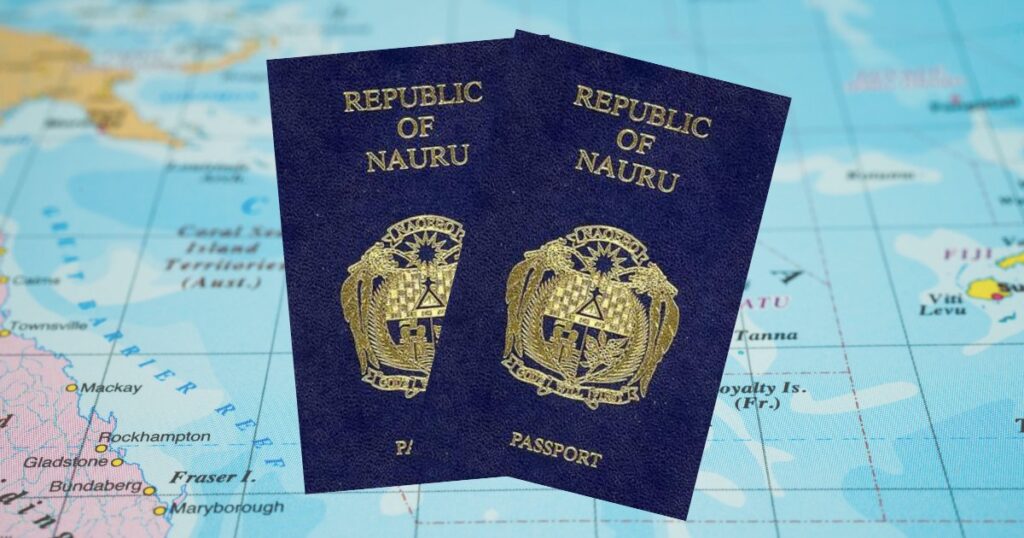
anding Nauru’s citizenship landscape is more critical than ever. Whether you’re a potential investor or an expatriate, being informed about your rights and responsibilities will aid in a smoother transition to becoming a citizen of this beautiful island nation.